Social Prescribers
What is Social Prescribing?
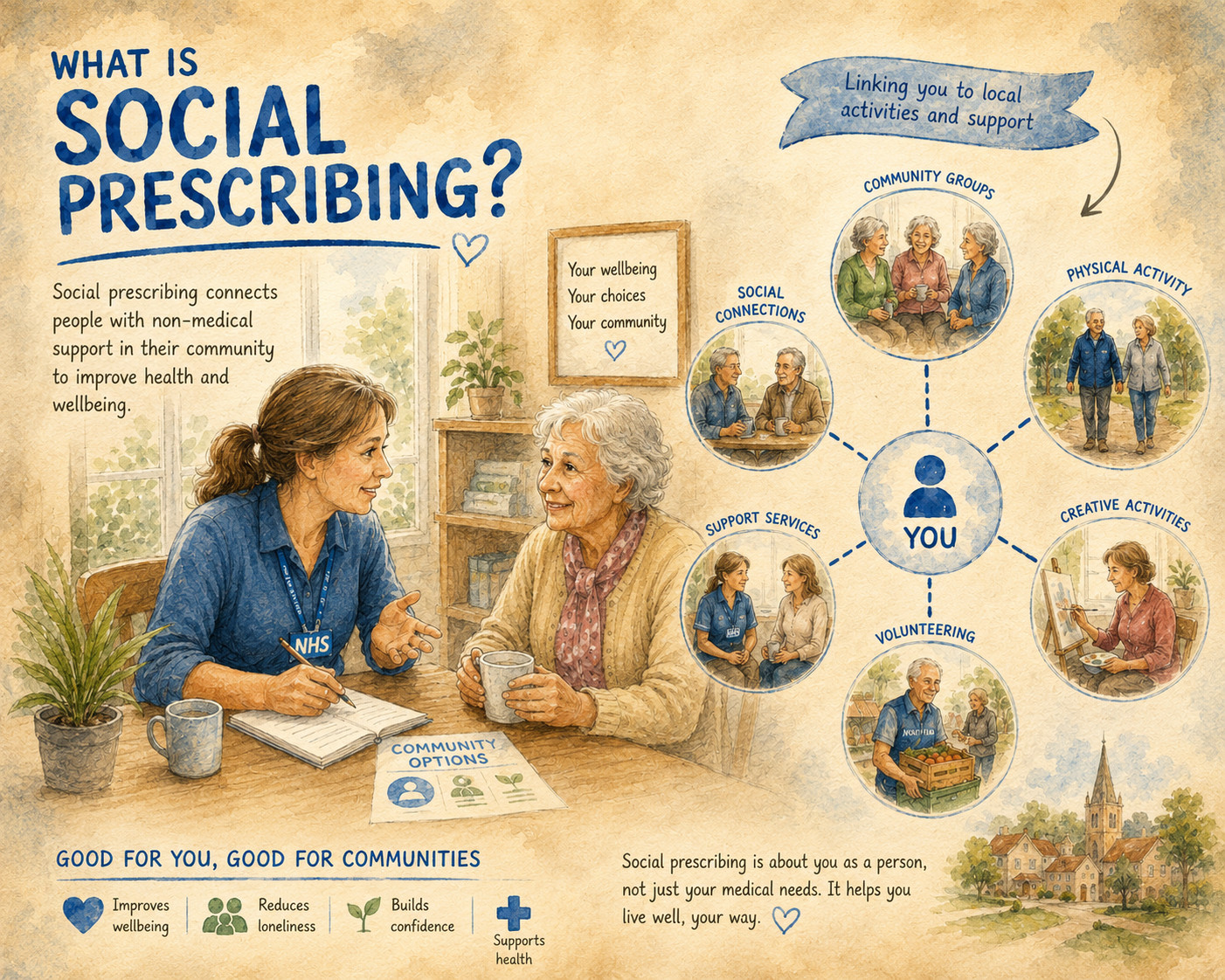
As the UK’s population grows, the healthcare system faces increasing pressure. As a result, it must address not only physical health needs but also social and emotional wellbeing. Social prescribing plays an important role in connecting people with non-medical support within their community. Furthermore, social prescribers help individuals access local services and activities that improve wellbeing and encourage healthier, more connected lives.
Social Prescribing Explained
The Role of Social Prescribers
They offer a valuable approach to supporting the health and wellbeing of people. By connecting individuals with community resources and activities that address social, emotional, and practical needs, this approach helps reduce loneliness, improve mental and physical health, and enhance overall quality of life. As demand grows for more comprehensive and person-centred healthcare, community-based wellbeing support will become increasingly important in helping people lead healthier, more connected, and more fulfilling lives. Here are some key benefits.
Reducing Loneliness and Social Isolation
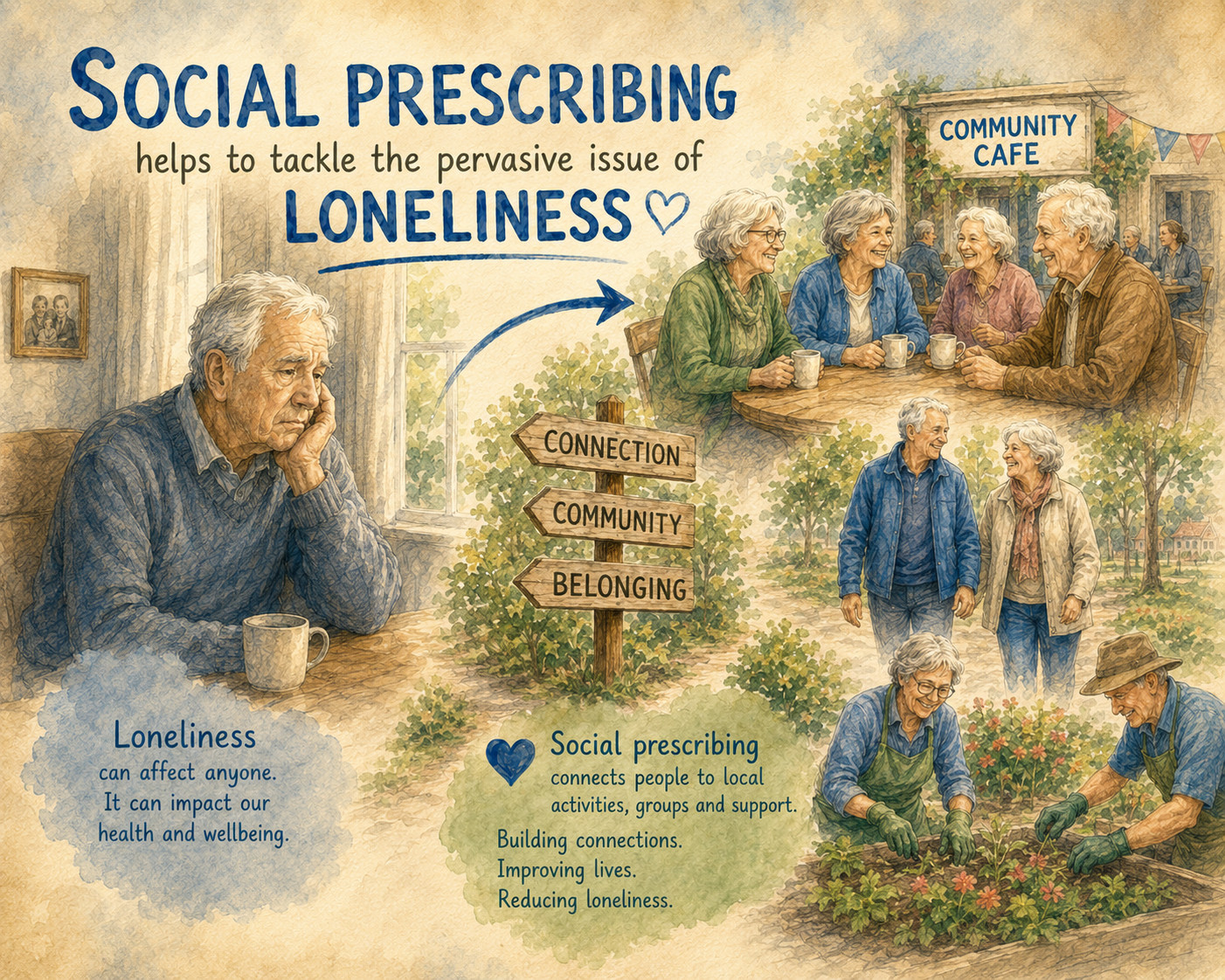
This approach also helps tackle the widespread issue of loneliness and social isolation, which can severely affect mental and physical health. Healthcare professionals can refer people to community groups, activities, and local services that encourage social interaction, including befriending services, exercise classes, and local clubs. These connections can improve a person’s sense of belonging, reduce feelings of loneliness, and promote a more active social life.
Supporting Mental Wellbeing
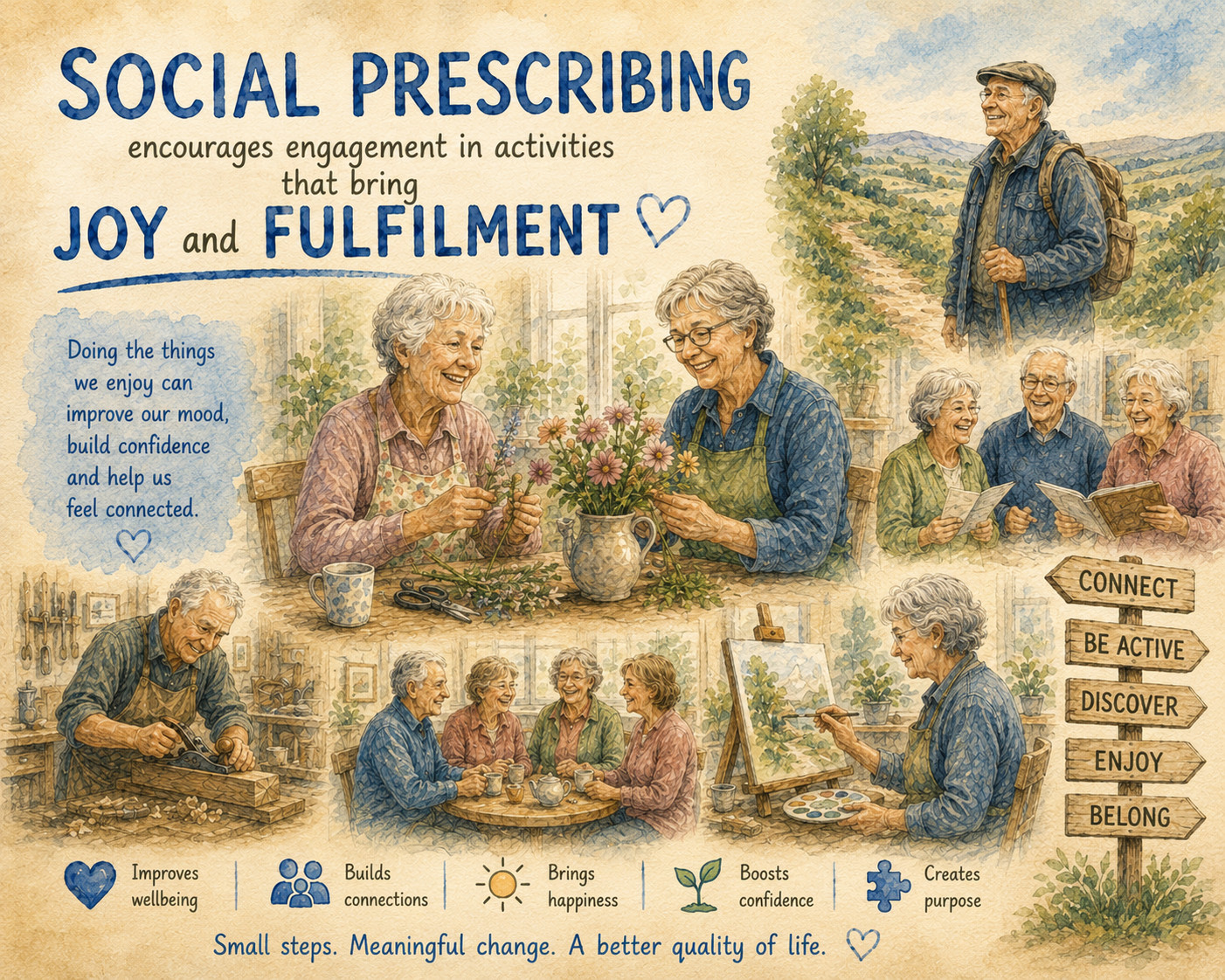
Mental wellbeing is a vital part of overall health. Engaging in community activities or support groups can improve mood, reduce anxiety, and provide a stronger sense of purpose. In addition, people are encouraged to take part in activities that bring enjoyment and fulfilment, such as arts and crafts, gardening, or volunteering. These activities can all contribute to improved mental health outcomes.
Promoting Independence and Better Health Outcomes
In many cases, community-based support can also help people maintain their independence for longer. Access to local services, wellbeing activities, and practical guidance allows individuals to stay active and engaged within their communities. Furthermore, this type of personalised support can reduce pressure on healthcare services by helping prevent avoidable hospital visits and improving long-term health and wellbeing outcomes for patients.